In ancient Mesopotamia, the Code of Hammurabi (c. 18th century BCE) used the principle of lex talionis: “eye for an eye, tooth for a tooth”, for crimes. Punishments included physical mutilation (cutting off hands, breasts, tongues, or eyes) for offences like hitting a parent, stealing property, or switching a baby. There was death for crimes such as robbery or stealing from temples. Imprisonment existed but was not the main penalty; exile, enslavement, flogging, branding, and disinheritance were used. Similar harsh codes existed as well, like the Hittite laws, the Draconian Code of Athens – which famously made death the punishment for all crimes – and the Roman Law of the Twelve Tables.
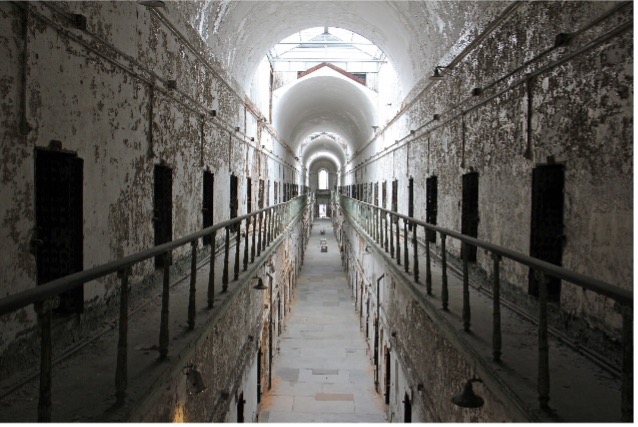
Eastern State Penitentiary, Philadelphia
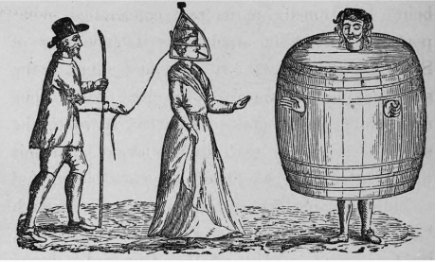
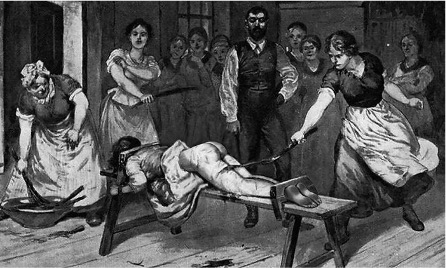
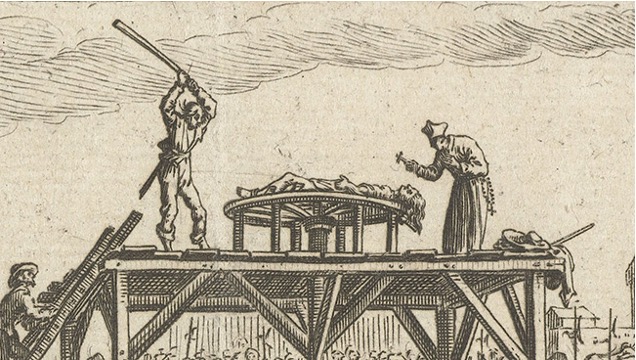
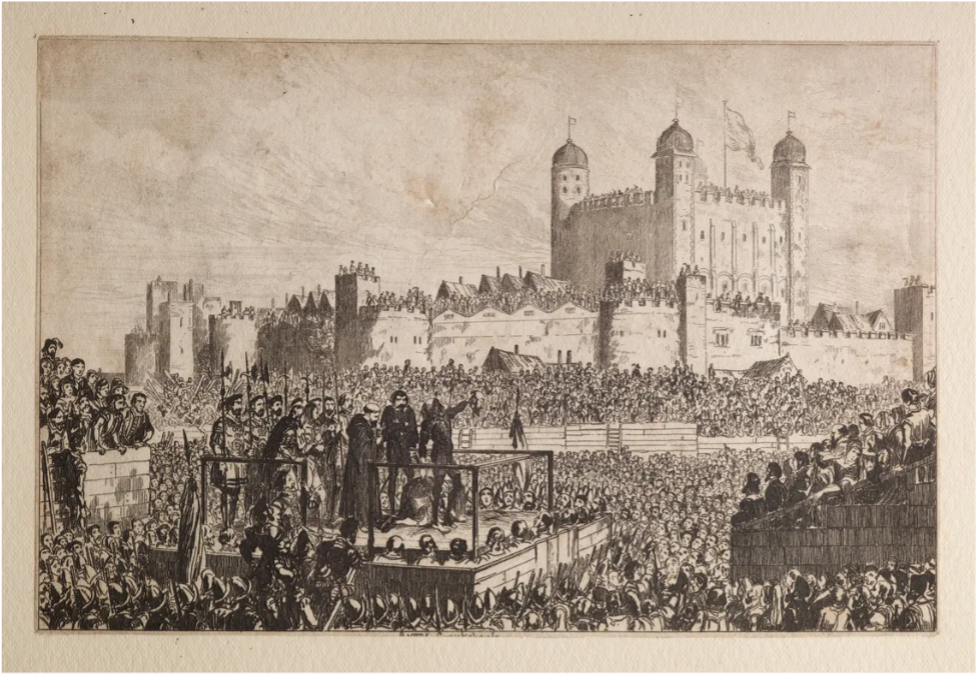
Moving to medieval Europe, serious crimes were usually punished by execution such as hanging, burning, beheading, while lesser offences were dealt with by whipping, mutilation, fines, or public shaming. Gaols were early jails made mainly to hold accused people until trial or punishment; Henry II’s Assizes of Clarendon (1166) ordered sheriffs in England to build gaols to hold suspects for royal justices (judges appointed by the King), not as long-term penal institutions. There were public humiliation devices such as the pillory, stocks, ducking stool, and public whipping were common, used to shame offenders and scare others. The death penalty remained extremely widespread, with many offences – especially in England in the “Bloody Code” period – technically capital even if not all sentences were carried out.
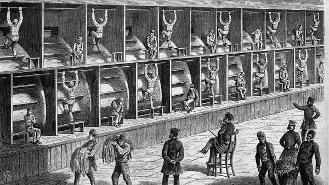
From the late 18th century, many European states, especially Britain, grew more reluctant to use the death penalty for anything but the most serious crimes like murder. Instead, they developed new punishments like sending convicts overseas and imprisonment. Britain’s Penitentiary Act of 1779 provided a blueprint for prisons and allowed judges to sentence offenders to imprisonment, triggering a wave of prison building in the 1780s and 1790s. Early “penitentiaries” aimed to reform offenders through labour, religious instruction and isolation, showing the moral improvement from spectacles and physical pain to discipline.
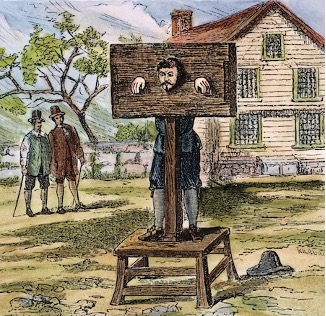
The Charing Cross Pillory, 13th century
The first half of the 19th century was a turning point: imprisonment replaced capital punishment for most serious offences other than murder, and public shaming penalties disappeared. People such as John Howard and Jeremy Bentham argued for cleaner, more regulated prisons and Bentham’s panopticon design, with a central watchtower overseeing the prison gates, influenced prison construction for decades. Systems such as the Pennsylvania “separate system” put prisoners in solitary cells with religious books, requiring absolute silence and uniforms to encourage reflection and repentance. Across Europe and North America, areas built large penitentiaries and standardised regimes of labour, discipline, and surveillance, making the prison the central instrument of criminal punishment.
Recently, many countries added community-based punishments and softened or abolished older harsh penalties. This is because moral beliefs began emerging from the 19th century onwards. Especially after the World Wars, many believed that executions were a human rights violation, and that it was wrong for a country to take a person’s life, despite their crime. Death penalties were often biased as well, showing deep racial and socio-economic disparities in those that received death sentences. People of colour and people of lower social status were often subject to violent punishments. Many also realised that the justice system is fallible, and that many accused innocents can and have been sentenced to death. Executions are not reversible, and the risk became morally unacceptable to the people. In addition to this, death is also shown in criminological research, showing that life or long-term imprisonment actually deters crime more effectively than the death penalty.
In Britain, the Probation Order of 1907 created the first community sentence, and the Criminal Justice Act 1948 abolished imprisonment with hard labour, hard labour itself and flogging. They reorganised prisons into remand centres, detention centres, borstals (youth detention centres) and other institutions. Public corporal punishments and executions ended in Europe, and even where the death penalty survived, executions typically moved behind prison walls. In the United States, the Three Prisons Act of 1891 created the first federal penitentiaries at Leavenworth and McNeil Island, and a federal Bureau of Prisons was established in 1930 to normalise and manage federal prisons.
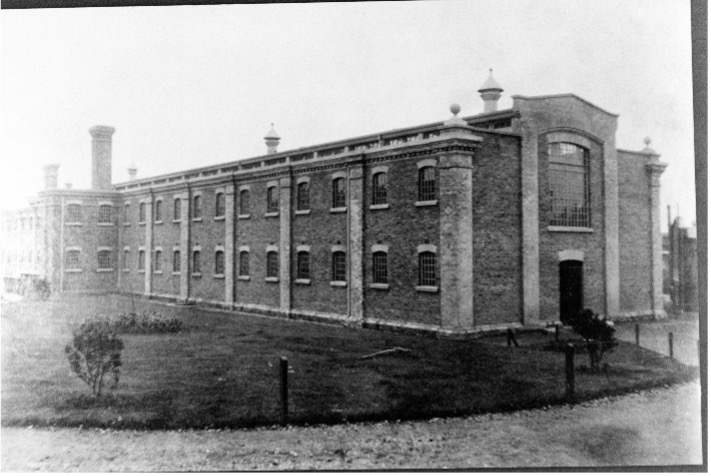
A newly completed wing at Rochester Prison
CRMINAL PUNISHMENTS: PUBLIC HUMILIATION
CRIMINAL PUNISHMENTS: EXECUTIONS
- Racchya and Nana