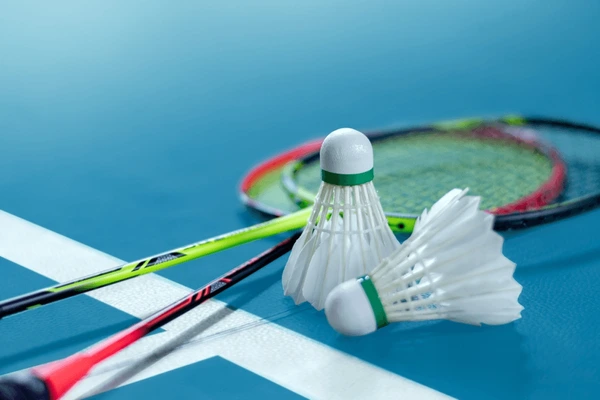
Badminton is a skilled sport played and admired by everyone. A professional smash can travel over 400 kilometres per hour! That means players need incredible footwork and, when they complete in doubles, they need to work as a team.
No need to worry whether you are a beginner, an advance player or even an expert – perseverance is key. One of the best things about badminton is how accessible it is. You don’t need expensive equipment or a huge field. Anyone – children, adults, beginners, or professionals – can enjoy it. It’s a sport that brings people together, whether you’re playing casually in your backyard or competing in a tournament.
The Quarterly Gazette posed a few questions to Mr Gullick, Gordon’s Badminton coach, to find out a bit more about the sport.
1) What inspired you to be a badminton coach?
My love for badminton started as a player, but it really grew when I realised how powerful good coaching can be. I was inspired by coaches who believed in me, pushed me to improve and made the sport enjoyable. I wanted to give that same experience to others and help players develop both their skills and confidence.
2) Tell us about one moment in your coaching journey that shaped who you are today?
One defining moment was seeing a player who lacked confidence finally succeed after weeks of hard work. Watching their belief grow reminded me that coaching isn’t just about technique or results, it’s about supporting people through their challenges and helping them realise their potential.
3) How would you describe your coaching style?
I’d describe my coaching style as supportive, energetic, and player centred. I set high expectations but always adapt sessions to suit different abilities. I focus on clear communication, positive feedback, and creating an environment where players feel comfortable making mistakes and learning from them.
4) How do you make training fun and active?
I keep sessions varied and fast-paced using games, challenges and competitive drills that link directly to match situations. I make sure everyone is moving, involved, and engaged, while still developing key skills. Fun is important because when players enjoy training, they work harder and improve faster.
5) How do you handle conflicts and setbacks within a team?
I address issues calmly and fairly by listening to everyone involved and encouraging open communication. I focus on finding solutions rather than placing blame. When setbacks happen, I help the team reflect, learn from the experience and stay positive so we can move forward together.
Remember, it’s never too late to start playing a new sport.
– Javiya