 By Daniella
Being bored isn’t fun.
It can hit you on a flight, in the back of a car or on a lazy Saturday afternoon. It can be morning, noon or night. Yet, whenever that dreaded, antsy feeling of boredom settles in, you know it’ll stay with you a while. It’s a natural part of life, and somehow we tend to naturally associate it with negative emotions and negative thoughts. It’s just something we do.
But should we really?

In the age of technology, instant entertainment, and a society fixated on always being happy, there’s about a million different ways to ‘save’ yourself from that dreaded, awful feeling. Picking up your phone and immediately opening TikTok, Instagram, or any social network that will relieve your pain. Searching for something, anything, to do that will truly convince yourself you’re busy. And, in most cases, eventually realising that you’re stuck alone with your thoughts.
However, new research suggests being bored is actually a pretty beneficial thing. That might sound hard to hear at first – after all, who likes sitting around with nothing to do? But many scientists, psychiatrists, and neuroscientists around the globe seem to agree. For a number of reasons, too.
Firstly, being bored recharges your brain. Taking a rest after a day of long, tiring work (even when it’s boring) gives your mind a chance to process all it’s seen, prepare itself for what’s to come, and most importantly, let go of stress or worry building up throughout the day. It prevents burnout, anxiety and allows your mind and body to take a breather while you’re not occupied.
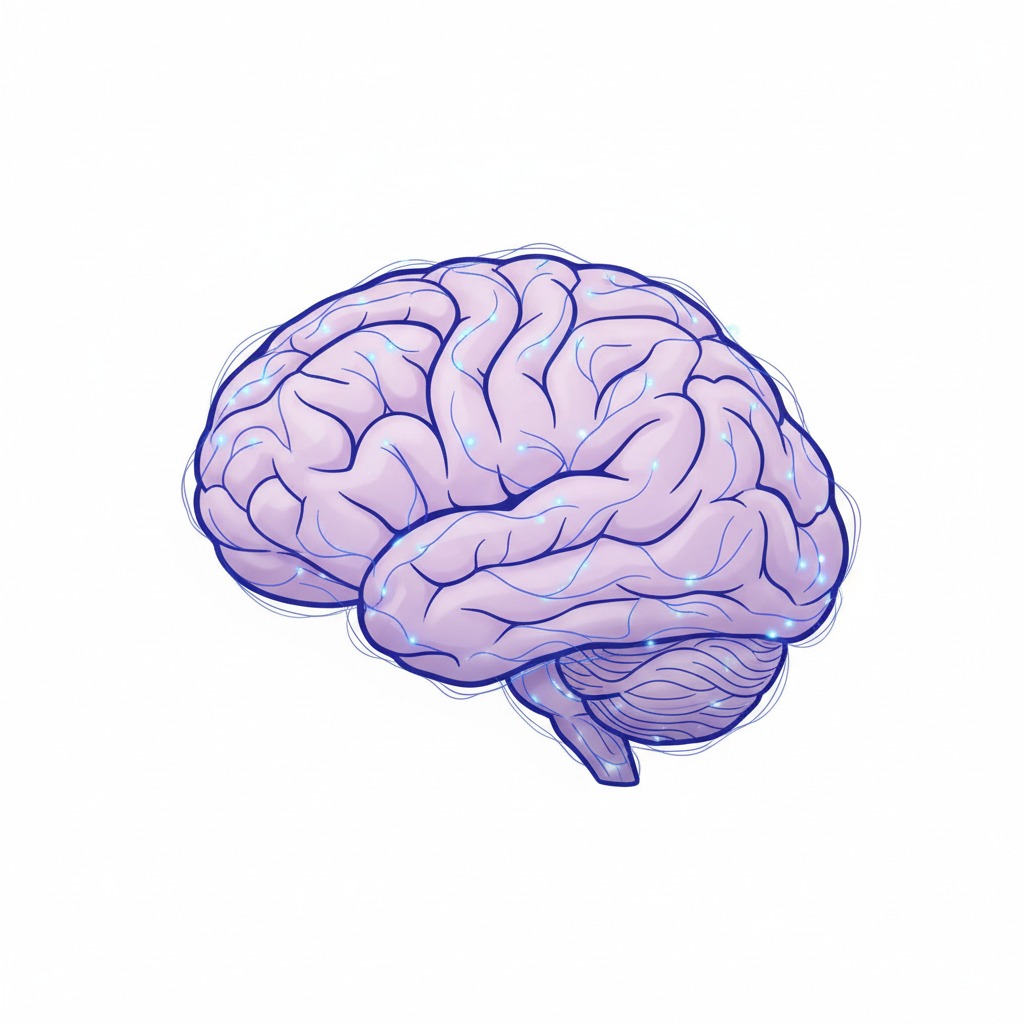
Secondly, boredom kick-starts creativity and innovation that may not have appeared otherwise. When you’re bored out of your mind and just want something, anything to do but can’t, it’s your brain that immediately jumps in to save the day (via making up a story, daydreaming, or just thinking). Famous writers such as Agatha Christie (The Mousetrap, And Then There Were None) and Ian Fleming (the James Bond series) have credited boredom as their key to success. Boredom allows your brain to, essentially, work overtime to be creative without you even realising it.
Similarly, boredom – taking a mental break from the whirr and buzz of the world – lets us see things from a different perspective, a new approach, and can often lead to solving a problem. For example, famous 1930s actor and inventor, Hedy Lamarr, created the foundations of communication, Bluetooth and Wi-Fi after spending long hours alone in her trailer between film takes. Boredom gives us a break from whatever we’ve been struggling on, lets us breathe, and gives us a new way to solve it as soon as we come back.
So, the next time you’re on a plane, in the back of a car, or just don’t have anything to do, don’t see it as an awful experience. See it as an opportunity, a chance to start over and make your work count. In the words of Albert Einstein, theoretical physicist and professional musician, “The monotony and solitude of a quiet life stimulates the creative mind.”
Daniella, Y10
 Aadya
 QG Team