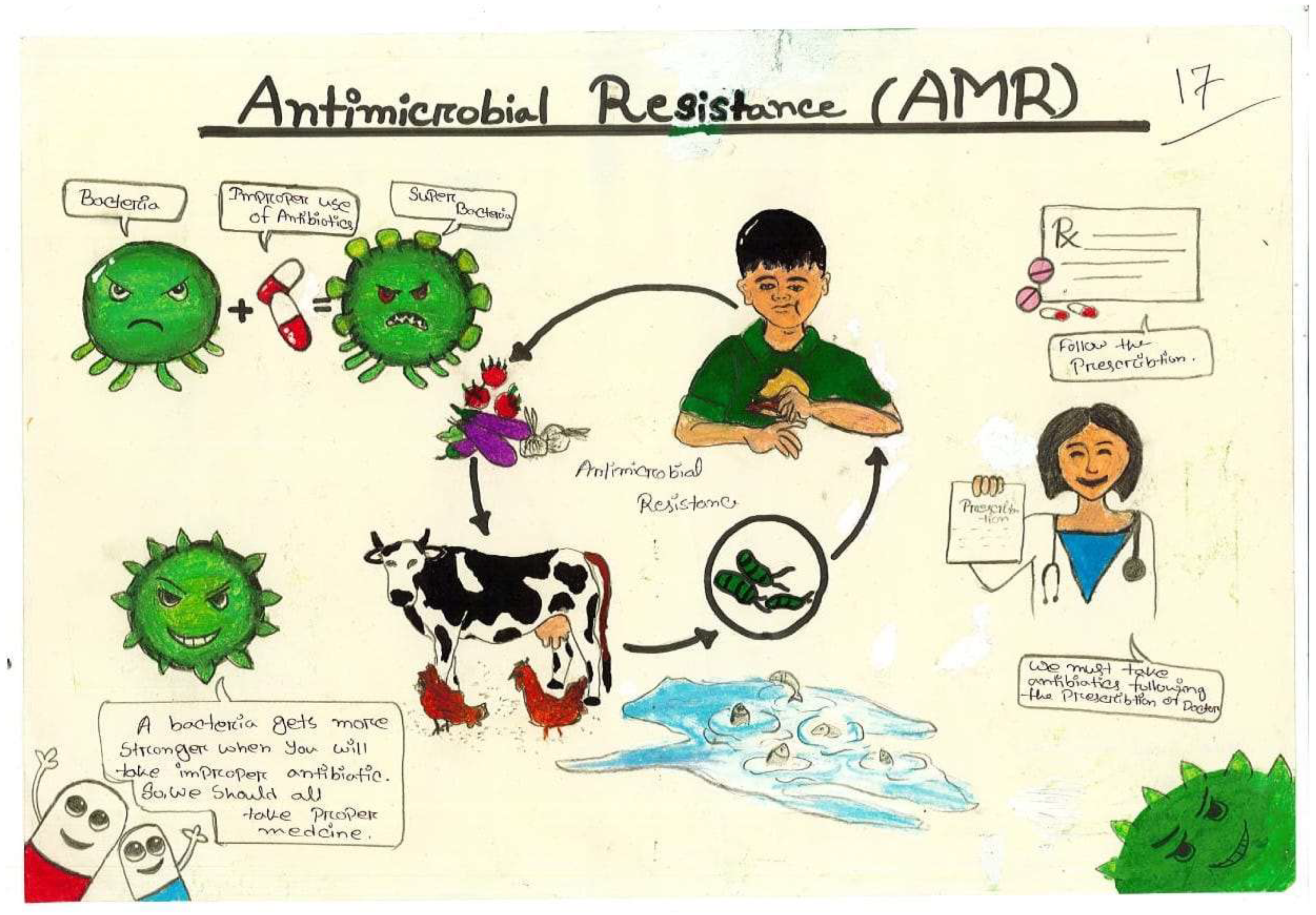
Antimicrobial resistance occurs when bacteria, viruses, fungi, and parasites do not respond to antimicrobial medicines. As a result, infections become difficult or impossible to treat, increasing the risk of spread of disease, severe illness, and death.
What causes it
As with any group of organisms, pathogens (bad micro-organisms) can adapt to be better suited to their environments. Sometimes, when micro-organisms reproduce, the offspring have a genetic mutation, which means they are not as affected by the medicines we use to treat the diseases they cause. Consequently, the organisms without this gene will die, while the organisms with the mutation will reproduce and pass on this gene. This process repeats until only micro-organisms with the genetic mutation are left and the medicines that we use to treat the diseases caused are rendered useless.
Other negative consequences
- Advanced therapies such as cancer chemotherapy and organ transplants rely entirely on effective antimicrobials to prevent fatal infections.
- Routine procedures such as caesarean sections can become high-risk procedures without reliable infection control.
- Increases costs in hospitals as more diseases will require expensive hospital stays and intensive care.
- Alternative medications can have more, or worse, side-effects.
- Overuse of antibiotics can cause permanent, deep stains on teeth that range from yellow to dark grey or brown.
- Can kill good bacteria in the gut, affecting digestion.
- Repeated antibiotic exposure can increase risk of metabolic changes and immune disorders.
How you can help prevent it
Preventing infection by:
- Getting vaccinated against common pathogens (e.g. flu)
- Maintaining good hygiene through washing hands, especially before eating and after using the bathroom or touching animals
- Following food safety rules by cleaning surfaces and avoiding cross-contamination
Using medication responsibly by
- Not using antibiotics when they are not needed. Viral illnesses do not respond to antibiotics
- Take prescriptions correctly, only when a doctor prescribes them for a specific illness and finish the full course. NEVER force a doctor to write you a prescription.
- Do not keep leftover pills for future illnesses or give them to another person
- Return old prescription medicines that are unused to the pharmacy to be disposed of safely
Natural remedies
There are a range of foods that can help relieve symptoms of infections, but they CANNOT be used in place of prescribed medication. There are risks of allergens and food intolerances so do not eat lots if you have never eaten these before. Examples include:
- Garlic – contains allicin, which targets various bacteria, fungi and viruses
- Manuka honey – has a low pH and moisture-withdrawing properties that help soothe sore throats
- Oregano oil – contains lots of carvacrol, which can inhibit certain resilient strains of bacteria
- Ginger – contains gingerols and shogaols, which help support the body’s immune defence against microbes
- Thyme – contains thymol, a compound known for notable antibacterial and antifungal actions
Final thoughts
From our perspective, antimicrobial resistance is terrible; however, as a bacterium or as a fungus, it is highly beneficial. This process is the same as natural selection, which we see in humans, apes and all organisms in history. Pathogens are adapting to survive in their environments. Understanding why this happens is important to prevent it.
Key takeaways
- Always follow the advice of your doctor
- Never use antimicrobials unless it is needed
- Prioritise preventing infection
ALWAYS FOLLOW INSTRUCTIONS FROM A HEALTHCARE PROFESSIONAL
- Elizabeth, Y12