Formula 1, GT3, Le Mans and MotoGP are all diverse types of motorsports and in those motorsport only 10% of the people involved are women; this means that 90% of people involved in motorsport are men.
No woman has raced in Formula 1 since 1970. That’s fifty six years since a woman has raced in Formula 1 – one of the biggest, if not the biggest and the goal for most people in junior formulas such as F3 and Karting.
People may argue there’s women in the Formula 1 Academy and inside the garage. But why not in the cockpit? Why not racing? Why is there not more female role models inside Formula 1?
Another fact is that women in karting peaks at 13% which is not much of a significant difference and drops to 7% in different formulas and GT racing, according to an organization called ‘More Than Equal’ which aims to reduce the gender gap in motorsport. They also help promote and sponsor girls and women in motorsport, this helps them reach higher formulas and even get into F1. This is something I am so excited to see. I want to be able to watch motorsports and see strong female role models.
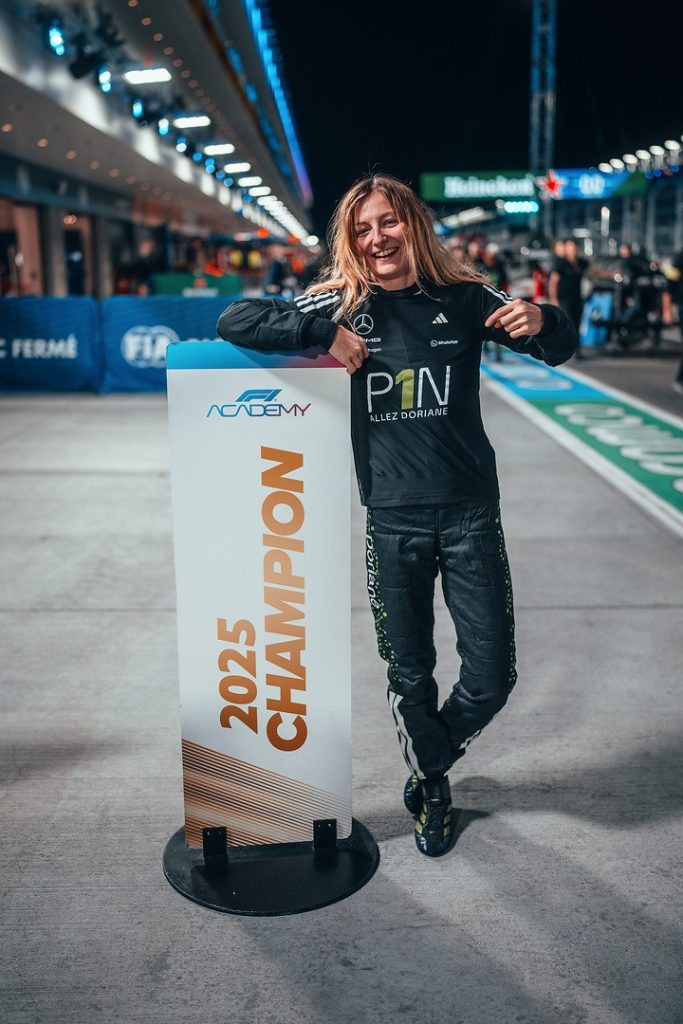
A main reason for the low amount of women in racing, is the lack of funding and, specifically, sponsors picking up females. Many sponsor ‘hesitated’ to pick up young girls into sponsorships, with no real reasons given for it. F1 has attempted to add more females, but only a few have even raced in true Formula 1 cars. An example is Doriane Pin, a Mercedes development driver. She was the 2025 F1 Academy champion. She is a highly commended racer – winning the Ferrari challenge in Europe and competing in the 24 hour Le Mans race, a noticeably big event with millions of spectators. So, if she can do all of this and drive an Formula 1 car, why has she not been put into an Formula 1 seat? Another problem is availability. There are only twenty two seats worldwide, this means there is an extremely limited chance for a driver to make it to Formula 1. People can’t guarantee their seat, unless of course in a multiyear contract. Many drivers only sign these when they are completely sure they are going to stay with the chosen team.
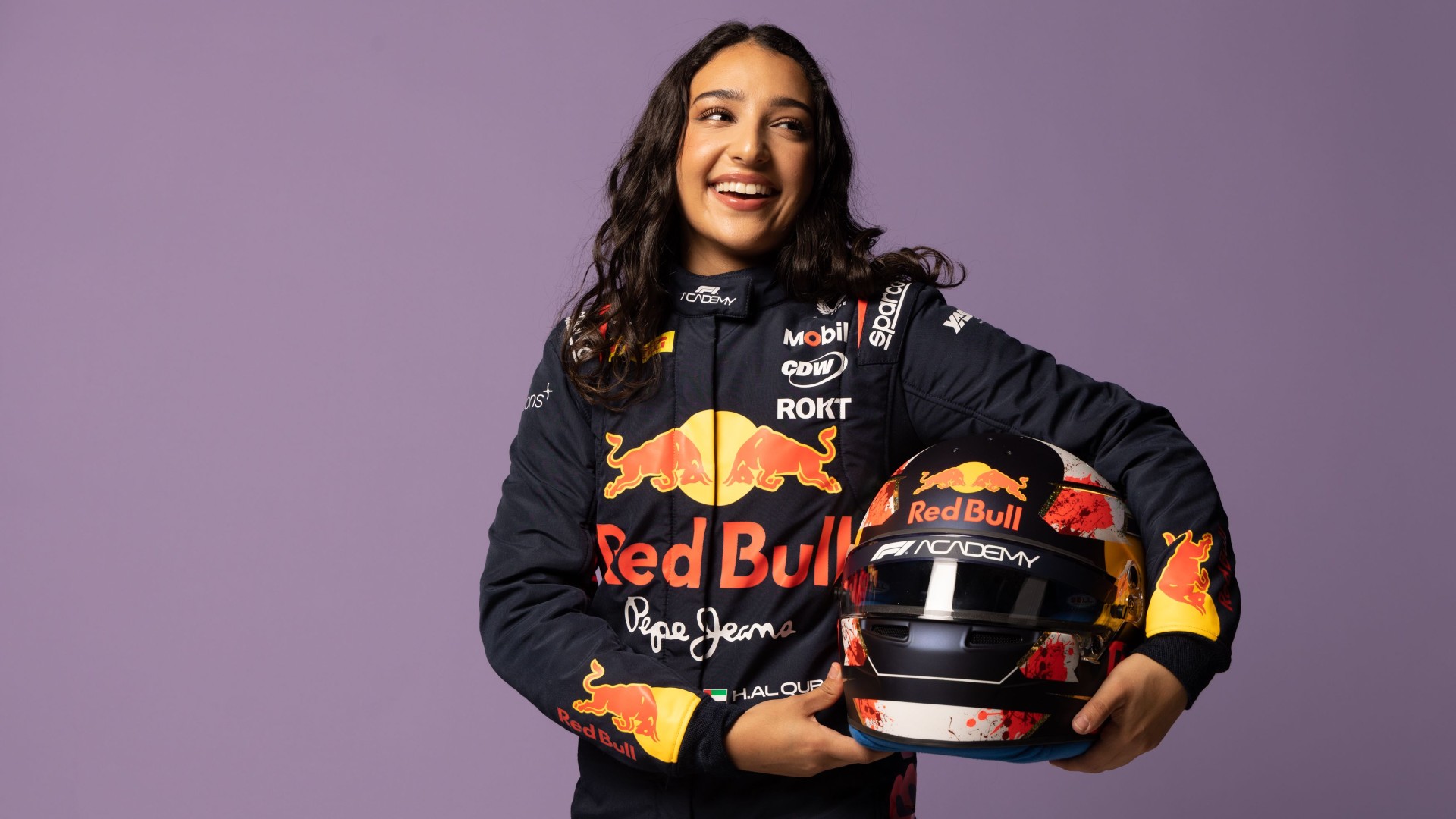
When I am at home watching the Prema racing YouTube channel, I noticed a lack of female role models. But one I did notice was Hamda al Qubaisi, she previously raced for Prema in Formula 4. She set the record for the first podium scored by a female in Italian Formula 4 race. She also raced in the Formula 1 Academy under Red Bull which has a large junior team.
I recently became an Formula 1 fan and that fueled my passion for sports media. There is a giant fan girl culture and it is at the heart of the sport, they help the sport feel more alive. But this, for some reason, has been turned into an insult. Causing people to not be taken seriously. Comments are made such as, “You only watch it because the drivers are hot” and “What’s DRS?” (fyi stands for Drag reduction system) a common question seen in comment sections.
It made me feel devalued as a fan and that I needed to rethink what being a fan was and become more serious. I felt that I needed to know every single statistic; every single driver’s history and achievements. I even felt that I needed to stop laughing at funny memes and thought that my fan page was cringe or that I was being obsessive. However, I realised the definition of a fan is being a person who admires, supports and loves a particular thing. Regardless of gender.
I am not being fake by enjoying the pop culture surrounding it – I’m being a fan. A fan is someone who is not putting other fans down to make yourself feel better; not judging people for their way of accessing motorsport, whether that be watching Drive to Survive or watching entire races or just the highlights.
If we are going to bring more women into motorsports, we need to start by erasing the toxic culture around women supporting a sport typically dominated by men, like motorsport.
Here’s to the rise of women in motorsport – both inside the car and out!
- Erin, Y11