
Burning the ground with an otherworldly heat, the sun has draped a bright, sticky glow over Gordons’ School.
Students darting between air-conditioned classrooms, mini plastic fans and sports cancellations seem to be 2026’s summer icons. In addition, as things heat up, both our capacity to function at school and our moods quickly change. Just as fast as the weather, growing more dangerous with each year.
Could climate change be to blame? If so, how is it affecting us? Should English schools adjust their days to heatwaves or simply close? There are lots of uncertainties surrounding this trending topic, and the Quarterly Gazette are diving deeper.
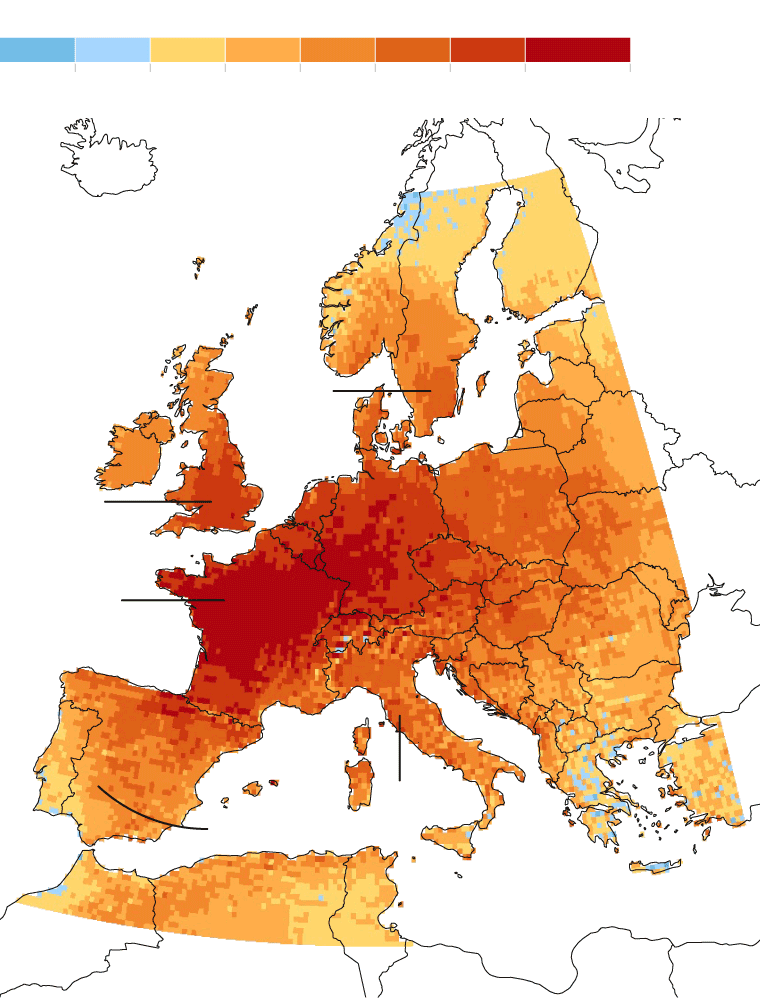
England’s June 2026 heatwave smashed records set 50 years earlier. 37.7C, recorded at Lingwood in England, easily beat the 35.6C record set in Southampton in 1976. The rare red weather warning was issued across several counties throughout the warm period. Thunderstorm warnings were issued in Somerset. Travel delays became frequent.
Significantly, hundreds of schools were forced to shut down or end early as a result, impacting thousands of students as timetables were shortened. There isn’t a legal temperature at which schools must take action, however, and it was simply up to each school to interpret what to do next.
Looking at the bigger picture, however, it becomes clear there is a main problem. World Weather Attribution recently confirmed climate change as the culprit of ongoing European heatwaves, linking record-high temperatures in urban cities to an increasingly dangerous fossil fuel industry. When observing evidence such as this, events such as England’s consistently hot summers suddenly make much more sense.
How does all this affect students?
Japanese researchers Mika Akesaka and Hitoshi Shihegoka examined over 30,000 schools in total (primary and secondary) and their scores at varying temperatures. Interestingly, they found a strong negative association between hot temperatures and student test scores. In addition, they also found air conditioning significantly offsetting such impacts, with scores increasing again once such technology was applied.
The US National Library of Medicine also linked consistent heat to poor mental health, conflict and negative thinking, stating it ultimately led to long-term damaging effects on an individual.
This doesn’t mean all English schools immediately need to buy air conditioning or shut down instead. This research shows that we need to be smart about how we manage the heat.

School leaders across the country have led children excellently through the heatwave, with each institution adapting in different ways to suit the school. School uniforms have been switched, timetables and PE activities have been altered, and even well-ventilated building plans have already been prepared by the government. It’s clear we’ve successfullycome out of the heatwave period for now, and adapted well as a country.
As future heatwaves and fiercer summer storms approach, there’s a lot of unknowns regarding climate change’s impact on education. However, schools nationwide have proven we’re ready to rise to the challenge. Now we’ve accomplished that, perhaps even the sun itself won’t be able to stop us from learning well.
– Daniella