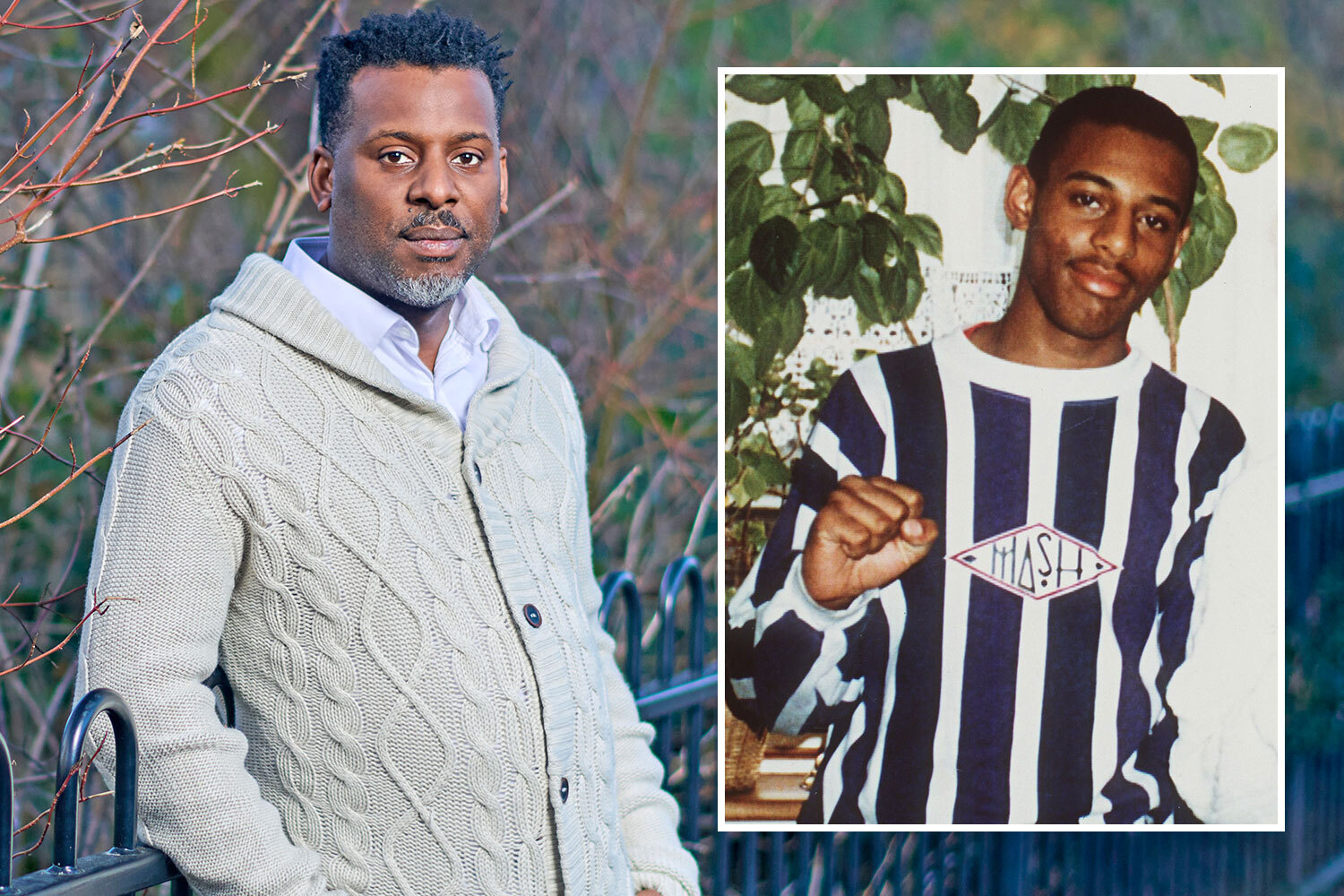
On 22 April 1993, 18‑year‑old Stephen Lawrence was attacked and killed in a racist assault on Well Hall Road in Eltham. His death, and the long struggle for justice that followed, became one of the most significant moments in modern British social history.
Stephen, an aspiring architect, was targeted by a group of young men. Although five suspects were arrested shortly after the incident, none were charged at the time. It would take nearly two decades before two of the attackers were finally convicted in 2012, following advances in forensic science.
The handling of the case by the Metropolitan Police drew widespread criticism. In 1999, the Macpherson Inquiry concluded that the force had been “institutionally racist,” a finding that reshaped public understanding of racism within institutions and led to major reforms in policing, community relations, and equality law.
Today, Stephen’s legacy continues through education, activism, and community work. His younger brother, Dr Stuart Lawrence, born in 1977, has dedicated his life to empowering young people. On his website, he describes himself as “a teacher, orator, author and consultant… giving young people and adults the mindset and skills to achieve their potential, irrespective of background.” His mission is to help create the kind of fairer society Stephen was denied the chance to live in.
More than thirty years on, the Stephen Lawrence case remains a defining moment in Britain’s ongoing conversation about justice, equality, and the responsibility of institutions to protect every citizen.
We are lucky enough to have the opportunity to welcome Stuart to Gordon’s on Friday 6th March. He will speak with Year 7, 8 and 9. More to follow.
By Olliyah